
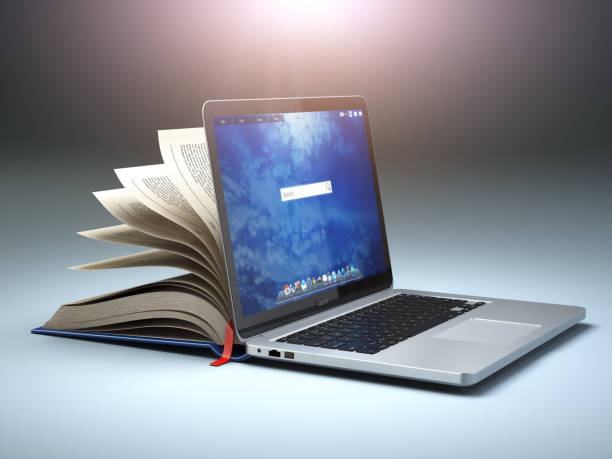
For a while, people thought technology was going to replace teachers. You know, those scary headlines like “AI will take over classrooms” or “Robots as your new math tutor.” But let’s be honest — if you’ve ever tried to learn from a glitchy app that froze right before your test, you know tech alone isn’t enough. Teachers aren’t going anywhere; their role is just… evolving.
From “sage on the stage” to “guide on the side”
Back in the day, teachers were the ultimate knowledge source. If you wanted to know something, you had to sit, listen, and take notes while they lectured. Now, with Google and YouTube basically handing out free knowledge 24/7, teachers don’t need to be walking encyclopedias. Their job has shifted more toward guiding students — showing them how to think critically, filter fake info from real facts (hello, misinformation age), and actually apply what they learn.
Tech is the assistant, not the boss
Smartboards, AI tutors, learning apps — they’re all cool tools, but they don’t have empathy. A teacher can notice when a kid is zoning out, or when someone’s having a bad day. An app? Not so much. The best teachers are using tech as an assistant, kind of like a sidekick. Think Batman and Robin — except the teacher is always Batman.
Personalization without losing the “human touch”
Digital tools make it easier to personalize learning. Adaptive platforms can adjust the difficulty of questions based on how well a student is doing. But here’s the thing: personalization isn’t just about adjusting levels. A teacher can encourage, motivate, and sometimes even push students in ways an algorithm can’t. Honestly, sometimes all you need is someone to say, “Hey, I believe in you,” to keep going. No app notification will ever replace that.
Teachers as digital curators
Let’s face it, the internet is a messy place. For every solid learning video, there are ten random “life hack” channels giving nonsense advice. Teachers now act like curators, picking the best resources and steering students away from the junk. It’s almost like being a DJ — mixing traditional lessons with digital tools to create the right vibe for learning.
Social-emotional learning still matters
One thing the digital era made super clear: students need more than just facts and formulas. They need resilience, empathy, teamwork, problem-solving — stuff you don’t exactly pick up from an app. Teachers are playing a bigger role here, focusing on mental health and soft skills alongside academics. With screens taking over, the human connection teachers provide is more valuable than ever.
Professional growth for teachers too
It’s not just students learning online; teachers are too. Professional development now often happens through webinars, online communities, or even TikTok tips from other educators. It’s kind of cool seeing teachers swap ideas globally instead of being stuck in just their local circles. A history teacher in India can literally share strategies with one in Canada.
Challenges they face
Of course, it’s not all smooth. Digital teaching means learning new tech constantly, dealing with glitches, handling students who mute themselves and vanish mid-class… Teachers are juggling a lot. And many still don’t get the recognition (or pay) for adapting so quickly. Honestly, it feels like society expects them to be half-educator, half-tech support, and half-therapist — which, yes, is three halves, but that’s what it feels like.
The future role: balance
In the coming years, the role of teachers will probably sit somewhere between mentor, facilitator, and motivator. Tech will keep improving, but the human factor is what makes education stick. Because when you think back to school, you don’t usually remember the exact lesson plan — you remember the teacher who made you laugh, who encouraged you, or who believed you could do more than you thought. That part isn’t going digital anytime soon.