
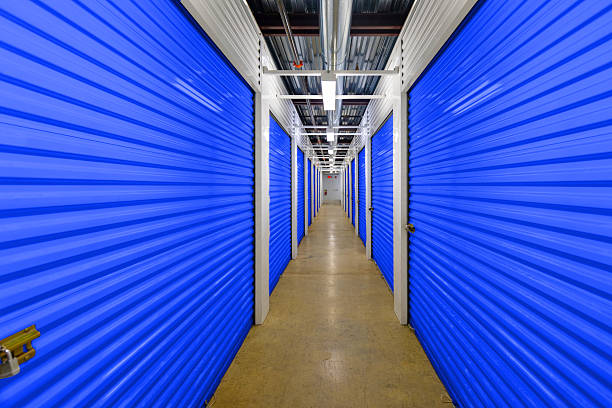
Long-term storage works best when belongings are not left completely unattended for months at a time. Regular checks can catch moisture, shifting boxes, damaged packaging, pests, fading labels, or pressure problems before they spread. Renters comparing storage units near me can use a simple inspection schedule based on what they store, how long it stays there, and how sensitive each item is.
How Often Should a Storage Unit Be Checked?
Monthly visits work well for belongings that need closer attention, while durable household goods may only need inspection every two or three months. Furniture, electronics, documents, artwork, leather, and fabrics deserve more frequent checks because small environmental or packing problems can become harder to correct over time.
Seasonal changes also affect timing. A unit filled in spring may face very different conditions by late summer or winter, especially if it is not climate controlled. Scheduling an inspection near major weather changes gives renters a chance to check for moisture, weakened cartons, temperature-related damage, or shifting stacks.
Start With a Monthly Check During the First Few Months
Early inspections are useful because packing problems often appear shortly after move-in. Boxes may settle, shelves can shift under weight, furniture covers may slide out of place, and labels can loosen after repeated temperature changes.
Initial visits also help confirm that the layout works as expected. Heavy containers that seemed stable on moving day may begin leaning once cardboard compresses. Catching that movement early allows renters to rebuild a stack before lower boxes collapse or nearby items become damaged.
Sensitive Materials Need More Frequent Attention
Paper records, photographs, instruments, electronics, leather goods, and wooden furniture should receive closer monitoring than plastic bins or durable tools. These materials can react to moisture, heat, dust, pressure, and poor airflow even when damage is not immediately visible.
Climate controlled storage can reduce major temperature and humidity swings, but it does not replace routine inspection. Customers should still look for warped wood, musty odors, condensation, corrosion, curling paper, softened cardboard, or loose protective coverings. Small warning signs often reveal a problem before an item becomes permanently damaged.
Check Boxes Before They Start Showing Stress
Cardboard changes under long-term pressure, especially when containers are stacked high or packed unevenly. Bent corners, sagging lids, bowed sides, and crushed lower cartons indicate that the load above may be too heavy.
Plastic totes should also be examined for cracked lids, warped edges, or buckling around the center. Rearranging weight can prevent one damaged container from causing an entire stack to shift. Reinforced shelving may be a better option for dense items such as books, tools, files, and dishes.
Watch for Moisture, Odors, and Pest Activity
Unusual smells deserve immediate attention during any storage visit. Musty air can point to trapped moisture, while strong chemical or food odors may indicate a nearby spill or prohibited item.
Visible signs such as droppings, chewed cardboard, insect shells, water marks, or damp packaging should never be ignored. Renters should report facility-related concerns promptly and inspect neighboring belongings for damage. Keeping food out of storage units and using clean, dry containers also helps reduce pest attraction.
Adjust the Inspection Schedule for Seasonal Storage
Holiday decorations, patio furniture, camping equipment, business displays, and seasonal clothing may sit untouched for several months. Checking these belongings halfway through the storage period can reveal problems before retrieval day.
Weather patterns provide a useful reminder. Humid summers may call for an extra visit to inspect fabrics and paper, while cold weather can affect batteries, electronics, and certain materials. People using climate controlled storage still benefit from seasonal reviews because packing materials and stacked loads can change even in a steadier indoor environment.
Keep a Simple Record of Every Visit
A short inspection log helps renters notice changes that are easy to forget between visits. Dates, photographs, box condition, tire pressure on stored equipment, moisture concerns, and rearranged items can all be recorded in a phone or notebook.
Tracking also helps with long-term organization. Storage Partner has storage units for household goods, business records, furniture, seasonal property, electronics, and other belongings that may require periodic attention. Customers searching for storage units near me can compare available sizes and climate controlled storage options, then set an inspection schedule that fits the value, sensitivity, and expected storage time of their property.