
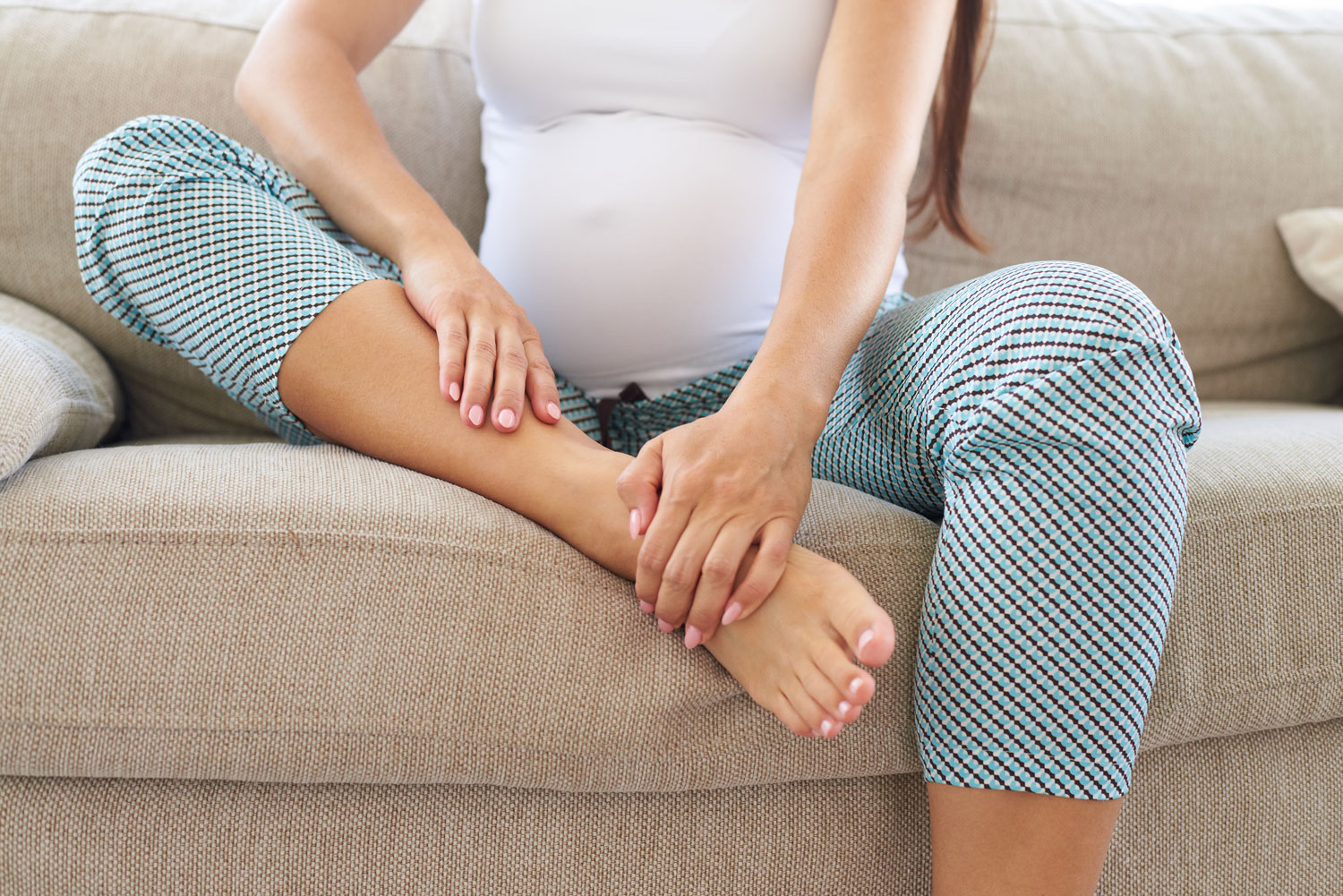
Simple activities like getting out of bed, walking through a grocery store, or standing at work can become uncomfortable when the plantar fascia is irritated. Supportive devices help reduce stress on the foot while giving damaged tissue a better opportunity to recover alongside proper medical care.
What Orthotic Inserts Do to Reduce Heel Strain Throughout the Day
Orthotic inserts help distribute body weight more evenly across the foot instead of allowing excessive pressure to concentrate on the heel. By supporting the natural arch, these inserts reduce tension placed on the plantar fascia during walking, standing, and other daily activities. Some people benefit from over-the-counter inserts, while others require custom orthotics designed for their specific foot structure.
Proper fit plays an important role in comfort and effectiveness. Inserts that match an individual’s arch height, gait pattern, and footwear provide better support than generic options that shift inside the shoe. A plantar fasciitis specialist often evaluates foot mechanics before recommending the most appropriate type of orthotic support.
How Night Splints Help Stretch the Plantar Fascia During Sleep
Many people with plantar fasciitis notice sharp heel pain during their first steps each morning. Night splints help address this problem by gently holding the foot in a position that keeps the plantar fascia and Achilles tendon slightly stretched throughout the night. This reduces tightening that commonly occurs during sleep.
Consistent use may gradually improve morning comfort for many patients. Although night splints can feel unusual at first, many designs are adjustable to improve wearability while maintaining the intended stretch. Following guidance from a plantar fasciitis doctor helps ensure proper fit and realistic treatment expectations.
Understanding Heel Cups for Everyday Shock Absorption
Heel cups provide an additional layer of cushioning beneath the heel during walking and standing. Their design helps absorb impact while reducing direct pressure on painful areas of the foot. This simple device often proves helpful for individuals whose symptoms worsen on hard floors or during long workdays.
Material selection also influences performance. Silicone, gel, and foam heel cups each provide different levels of cushioning depending on activity and footwear. Many patients combine heel cups with supportive shoes rather than relying on cushioning alone to manage plantar fasciitis symptoms.
Why Supportive Footwear Matters During Plantar Fasciitis Recovery
Shoes influence every step taken throughout the day, making proper footwear an important part of recovery. Supportive shoes stabilize the foot, reduce excessive inward rolling, and improve weight distribution across the heel and arch. Replacing worn footwear often provides noticeable relief because compressed midsoles gradually lose their ability to absorb impact.
Different activities may require different shoe features. Walking, working on concrete, exercising, and casual daily wear all place unique demands on the foot. A Decatur podiatrist may recommend specific footwear characteristics based on a patient’s occupation, activity level, and foot structure rather than suggesting one shoe for everyone.
The Role of Compression Sleeves in Managing Heel Discomfort
Compression sleeves apply gentle, even pressure around the foot and ankle to provide additional support during daily movement. Some individuals experience reduced discomfort because compression may help improve circulation while supporting soft tissues surrounding the plantar fascia. Lightweight designs also fit comfortably inside many athletic and casual shoes.
Compression sleeves should complement, not replace, a complete treatment plan. Stretching exercises, supportive footwear, and activity modifications often provide greater improvement when combined with appropriate compression support. Using multiple conservative treatments together frequently produces better results than depending on a single device alone.
How Walking Boots Help Protect the Foot During Severe Flare Ups
Severe plantar fasciitis occasionally requires temporarily reducing stress across the injured tissue. Walking boots limit excessive foot motion while allowing the plantar fascia to rest during particularly painful periods. Immobilization may help calm inflammation when routine supportive devices no longer provide adequate relief.
Treatment duration depends on symptom severity and individual recovery progress. Walking boots are generally intended for short-term use under professional supervision because prolonged immobilization may create additional stiffness or muscle weakness. Careful monitoring helps balance protection with gradual return to normal activity.
What Arch Support Braces Contribute to Daily Foot Stability
Arch support braces wrap around the foot to provide additional structural support without replacing normal footwear. Their design helps reduce strain placed on the plantar fascia during prolonged standing or walking while giving some individuals greater comfort during everyday activities. Lightweight construction makes them easy to wear beneath many shoe styles.
Support braces also serve as helpful options for people who cannot easily accommodate bulky orthotic inserts inside certain shoes. Depending on the situation, braces may provide temporary assistance during work, exercise, or travel while other treatment methods continue addressing the underlying condition.
The Benefits of Taping Techniques for Short Term Plantar Fascia Support
Proper taping techniques temporarily support the arch while reducing tension across the plantar fascia during activity. Athletic tape creates external reinforcement that helps stabilize foot movement, making it useful before sports participation, long work shifts, or events requiring extended standing. Correct application remains important because poorly placed tape may provide little benefit. Temporary support works best alongside professional evaluation rather than as a permanent solution. Persistent heel pain deserves a thorough examination to identify contributing factors affecting recovery. Individuals seeking care from a podiatrist Decatur AL, a plantar fasciitis doctor, or an experienced plantar fasciitis specialist can turn to The Foot Clinic for personalized evaluations, conservative treatment options, and supportive care designed to restore comfort while helping patients return to everyday activities with greater confidence.