
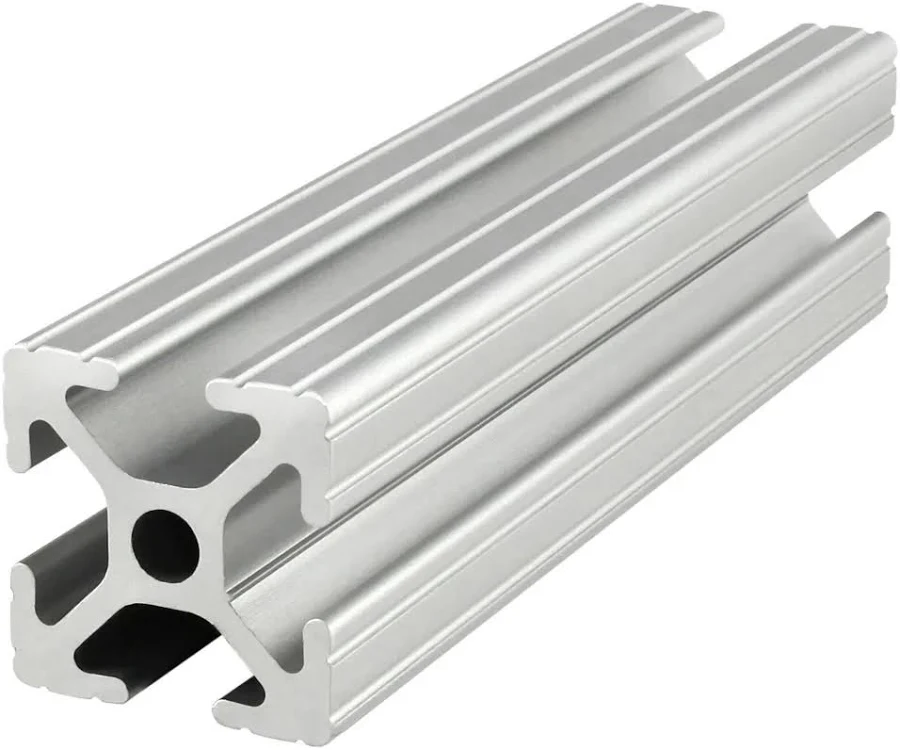
Shop floors need carts that move smoothly, carry weight safely, and adapt when the work changes. A cart built from aluminum framing material can support tools, fixtures, instruments, bins, and small machines without the weight of welded steel. For many production areas, T slot aluminum extrusion offers the right mix of strength, flexibility, and clean assembly.
Why Mobile Carts Work Well With T-Slot Frames
Mobile equipment carts often need more than a flat shelf on wheels. They may hold monitors, control boxes, test devices, pneumatic parts, storage trays, or adjustable work surfaces. T slot extrusion makes those layouts easier because brackets, shelves, handles, and panels can attach directly into the open channels along the profile.
Compared with welded frames, an extruded aluminum T slot structure gives teams room to make changes after the cart is built. A shelf can move higher, a handle can shift to the other side, or a tool mount can be added without cutting and repainting the frame. That flexibility helps manufacturers adjust carts as production cells, operators, and equipment needs change.
Strength Depends on Profile Size and Cart Design
Load capacity starts with the right profile. Small carts may use lighter rails, while heavy carts need larger profiles with thicker walls and stronger corner connections. Good design also considers how the load sits on the cart, since weight placed high or far to one side can affect balance while the cart is moving.
Heavier equipment carts often need cross braces, reinforced corners, and properly rated casters. MiniTec extruded aluminum framing gives designers access to different profile sizes, so the cart can match the job instead of using oversized material everywhere. That keeps the structure strong without making it harder to push, steer, or position.
Wheel Selection Matters More Than Many Buyers Expect
Casters decide how the cart feels in daily use. Soft wheels roll more quietly and protect finished floors, while harder wheels handle heavier loads and resist wear on rough surfaces. Locking casters help keep the cart steady during work, especially when operators use tools, keyboards, or measuring equipment on the frame.
Swivel placement also changes movement. Four swivel casters allow tight turns, but they can feel harder to control over long travel paths. Two fixed casters with two swivel casters often track better in straight lines. A well-planned aluminum framing kit should account for caster type, load rating, brake style, and mounting plate compatibility.
T-Slot Channels Make Accessories Easy to Add
Accessory mounting is one of the main reasons builders choose T slot aluminum extrusion for carts. The channels accept fasteners that slide into place, making it simple to attach hooks, shelves, trays, cable clips, document holders, drawer slides, and guarding panels. This matters in facilities where one cart may support several tasks throughout its service life.
Operators also benefit from small adjustments. Handles can be set at a comfortable height, tool holders can sit within easy reach, and monitor arms can be positioned for better visibility. MiniTec Aluminum Framing works well for these applications because its modular parts allow clean connections without permanent welding.
Clean Assembly Supports Safer Work Areas
Bolted aluminum frames help reduce sharp edges, peeling paint, and rough weld points when finished correctly. End caps cover exposed profile openings, while slot covers close unused channels to keep dirt, chips, or small parts from collecting inside. These details matter on carts used near machinery, electronics, packaging lines, or inspection stations.
Cable management also improves safety. Wires, air lines, and small hoses can route along the frame instead of hanging loosely around wheels or work surfaces. With the right clips and covers, a mobile cart can stay organized while still allowing maintenance teams to reach components when repairs are needed.
Aluminum Keeps Carts Lighter Without Losing Function
Weight affects how a cart performs every day. A steel cart may feel sturdy, but extra weight makes it harder to push, stop, and turn. Aluminum framing material can reduce the overall cart weight while still providing a rigid frame for many industrial and commercial uses. Lighter construction also helps during layout changes. Workers can move carts between cells, reposition them for cleaning, or adjust their location around machines with less strain. The cart still needs proper engineering, but aluminum gives designers a strong starting point for equipment that must stay mobile.
Modular Frames Help Carts Grow With the Job
Production carts rarely stay the same forever. New tools, revised workflows, upgraded screens, or added bins may require a different setup. A T-slot frame allows many of those changes without replacing the full cart. Future updates become easier when the original frame uses compatible profiles and hardware. Extra rails, panels, brackets, or shelves can be added as needs develop. For companies building carts around changing equipment, that adaptability can reduce waste and extend the useful life of the frame.
Better Kits Reduce Assembly Problems
A quality cart kit should include cut profiles, matched fasteners, corner connectors, caster plates, handles, shelves, and clear drawings. Missing or mismatched parts slow assembly and can create weak points if installers substitute hardware that does not fit the system correctly. Accurate documentation helps teams build the cart square, stable, and ready for service.
Professional support can also improve results before any parts are ordered. MiniTec Solutions supplies MiniTec Aluminum Framing, compatible accessories, and modular system components for mobile equipment carts that need dependable movement, smart layouts, and room for future changes.